
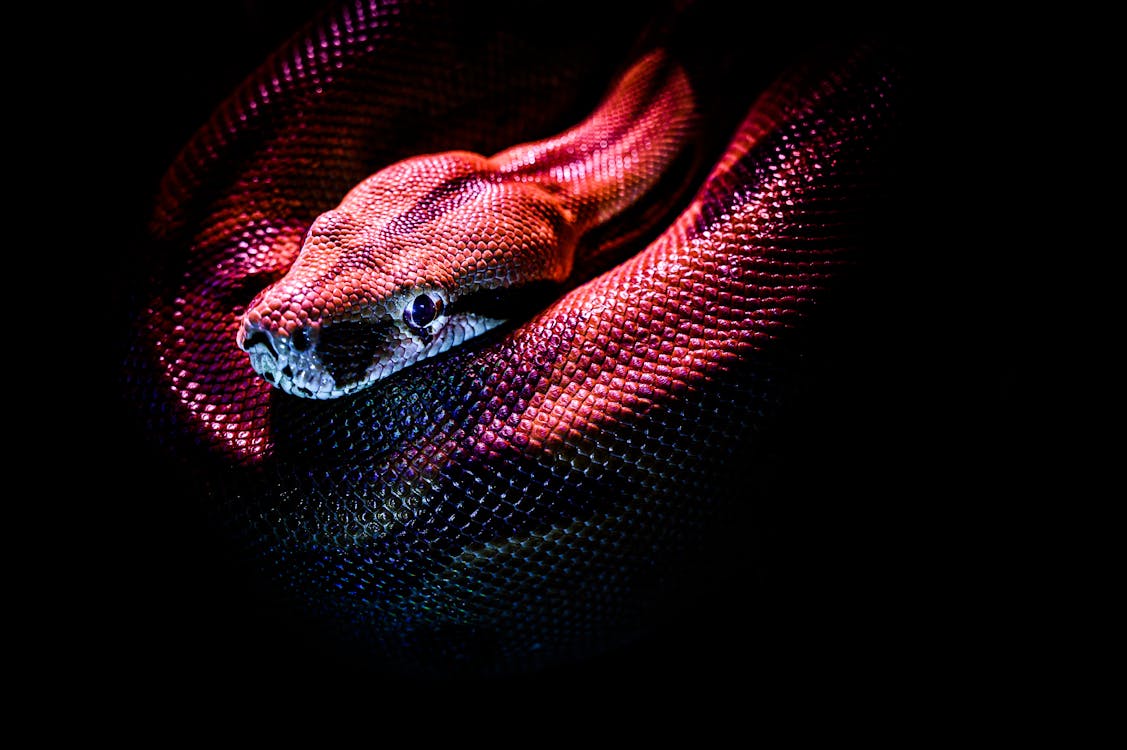
The ball python (Python regius) is the most popular pet snake in the world, and for good reason. With a gentle temperament, manageable adult size, and an astonishing variety of color morphs, ball pythons have become the gateway species for an entire generation of reptile keepers. But popularity does not mean simplicity. Ball pythons have specific care requirements that, when misunderstood, lead to stress, illness, and the kind of problems that give first-time owners a rough start.
Whether you are bringing home your first snake or upgrading your husbandry after years of keeping, this guide covers everything you need to know to keep a ball python healthy and thriving.
Why Ball Pythons Are the World’s Most Popular Pet Snake
Ball pythons have held the top spot among pet snakes for decades, and their dominance is only growing. According to the American Pet Products Association (APPA), reptile ownership surged 47 percent between 2020 and 2022, with Gen Z now making up 33 percent of all reptile owners. Ball pythons sit at the center of this boom as the most commonly purchased pet snake and the second most popular pet reptile after the bearded dragon.
The morph market has fueled much of this growth. With over 7,500 recognized morphs available from breeders on platforms like MorphMarket, ball pythons offer a level of visual variety that no other snake species can match. From the classic wild-type brown and gold pattern to the stunning Blue-Eyed Leucistic (an all-white snake with piercing blue eyes) and the vivid Banana morph with its purple and orange splotches, there is a ball python to suit every aesthetic preference.
Their appeal goes beyond appearance. Ball pythons are known for being docile, slow-moving, and tolerant of handling, traits that make them ideal for first-time snake owners and families with older children.
Natural History: Where Ball Pythons Come From
Ball pythons are native to the grasslands and open forests of West and Central Africa, spanning countries including Ghana, Togo, Benin, and Nigeria. In the wild, they are terrestrial and semi-fossorial, spending much of their time in rodent burrows, termite mounds, and other underground shelters.
Their common name comes from their defensive behavior: when threatened, ball pythons curl into a tight ball with their head tucked in the center, rather than striking or fleeing. This passive defense strategy is part of what makes them so well-suited to captivity. In their native range, they are called "royal pythons" because of a legend that African royalty wore them as jewelry.
Wild ball pythons are primarily nocturnal and crepuscular, hunting small mammals and birds during the cooler hours of dusk and dawn. Understanding these natural behaviors is the foundation of good captive husbandry.
Enclosure Setup: Getting the Habitat Right
The single most important factor in ball python care is the enclosure. A poorly set up habitat is the root cause of most health and behavioral problems in captive ball pythons.
Enclosure Size
Juvenile ball pythons can be housed in a 20-gallon enclosure, but adults need significantly more space. The current best practice, supported by the ReptiFiles care guide and the Federation of Herpetologists, recommends an enclosure that is at least 4 feet long by 2 feet deep by 2 feet tall for an adult ball python. PVC enclosures with front-opening doors are preferred over glass aquariums because they hold heat and humidity more effectively.
Temperature
Ball pythons require a thermal gradient so they can move between warmer and cooler areas as needed. The warm side should maintain a basking surface temperature of 88 to 92 degrees Fahrenheit, while the cool side should sit between 75 and 80 degrees. Nighttime temperatures can drop slightly but should not fall below 72 degrees. Overhead heating (ceramic heat emitters or radiant heat panels) is preferred over under-tank heating for creating a more natural thermal gradient.
Humidity
This is where many first-time keepers struggle. Ball pythons need humidity levels between 60 and 80 percent, significantly higher than what a standard screen-top glass aquarium can maintain. Low humidity is the leading cause of retained sheds and respiratory infections in captive ball pythons.
Use a moisture-retaining substrate like coconut fiber, cypress mulch, or a topsoil mix. Mist the enclosure as needed, and consider covering part of a screen top with foil or plastic to trap moisture. A large water bowl placed on the warm side will also help raise ambient humidity through evaporation.
Hides and Enrichment
Ball pythons are secretive animals that need at least two snug hides, one on the warm side and one on the cool side. Without proper hides, ball pythons become stressed, refuse food, and may develop health problems. The hides should be just large enough for the snake to fit inside with its body touching the walls, as this contact provides a sense of security.
Modern husbandry also emphasizes enrichment. Adding branches for climbing, leaf litter for foraging behavior, and varied textures creates a more stimulating environment. Research increasingly shows that snakes are more cognitively active than previously believed, and environmental enrichment improves both physical and behavioral health.
Feeding: What, When, and How
Ball pythons are strict carnivores that eat whole prey items, primarily rats and mice. The general rule is to offer a prey item that is roughly the same diameter as the widest part of the snake’s body.
Juveniles should be fed every 5 to 7 days, while adults can be fed every 10 to 14 days. Pre-killed or frozen-thawed prey is strongly recommended over live feeding, as live rodents can bite and injure your snake.
Ball pythons are notorious for going on hunger strikes, sometimes refusing food for weeks or even months. This is often triggered by seasonal changes, breeding hormones, or environmental stress. A healthy ball python that maintains its body weight during a fast is generally not in danger, but persistent refusal combined with weight loss warrants a veterinary visit.
Health and Lifespan
With proper care, ball pythons are remarkably long-lived. The average captive lifespan is 20 to 30 years, with some individuals living even longer. The oldest known ball python, housed at the Saint Louis Zoo, lived to be over 62 years old, making it one of the longest-lived snakes ever recorded.
Common health issues include respiratory infections (usually caused by low humidity or temperatures), scale rot (from overly wet or dirty substrate), mites, and inclusion body disease (IBD), a serious viral condition. Regular veterinary checkups with a reptile-experienced vet are essential, especially during the first year of ownership.
Ball Python Morphs: Understanding the Market
The ball python morph market is one of the most active segments of the reptile industry. Morphs are genetic color and pattern variations that breeders have selectively produced over decades. Prices range from $30 to $50 for a normal or common morph to thousands of dollars for rare designer combinations.
Some popular morphs include the Pastel (enhanced yellow and reduced black pattern), the Piebald (large patches of pure white), the Clown (aberrant pattern with a distinctive head stamp), and the aforementioned Banana and Blue-Eyed Leucistic.
However, prospective buyers should be aware that some morphs are associated with neurological issues. The Spider morph and related genes can cause a condition known as "wobble," which affects the snake’s coordination and balance. Ethical breeders are transparent about these issues, and many keepers and organizations advocate against breeding morphs with known neurological defects.
Is a Ball Python Right for You?
Ball pythons make excellent pets for the right person, but they are a long-term commitment. Before purchasing one, consider these factors.
You will need to feed your snake whole prey animals, typically rats. If this makes you uncomfortable, a snake may not be the right pet for you. Ball pythons require consistent daily monitoring of temperature and humidity, and their enclosure needs regular cleaning. You will also need access to a reptile-experienced veterinarian, which can be harder to find and more expensive than standard pet care.
On the positive side, ball pythons are quiet, odorless (when kept clean), hypoallergenic, and require no daily walks or outdoor exercise. They are perfectly suited to apartment living, which is one reason they have become so popular among younger, urban reptile keepers. With the right setup and a commitment to proper husbandry, a ball python can be a rewarding companion for decades.
Getting Started
If you have decided a ball python is right for you, purchase from a reputable captive breeder rather than a pet store. Captive-bred ball pythons are healthier, calmer, and come with known genetic backgrounds. Ask the breeder about the snake’s feeding history, any known health issues, and the parents’ genetics.
Set up and dial in your enclosure at least a week before bringing your snake home. Verify that temperatures and humidity are stable and within the correct ranges. Have your hides, water bowl, and substrate ready. And give your new ball python at least a full week to settle in before attempting to handle it or offer its first meal.
For more on getting started with reptile keeping and field herping, visit our Herping 101 guide. And to explore another wildly popular beginner reptile, check out our bearded dragon care guide. If you are fascinated by the diversity of snakes, our article on kingsnakes covers one of North America’s most remarkable native species.
0 Comments