
When people think about herping, their minds usually jump to massive rainforests, sprawling deserts, or remote mountain ranges. But some of the most unforgettable reptile and amphibian encounters happen on much smaller pieces of land. Small islands offer a unique advantage for herpers: high biodiversity packed into a compact area, species found nowhere else on Earth, and ecosystems that feel untouched and wild. If you’re looking to level up your herping experiences, these islands deserve a serious spot on your radar.
Island herping often feels more personal. You’re not just passing through a habitat, you’re immersed in it. Many island species evolved in isolation, which means unusual behaviors, striking colorations, and endemics that seasoned herpers may never encounter elsewhere. Below are some standout small islands that consistently deliver incredible field experiences.
Costa Rica’s Caribbean & Pacific Islands
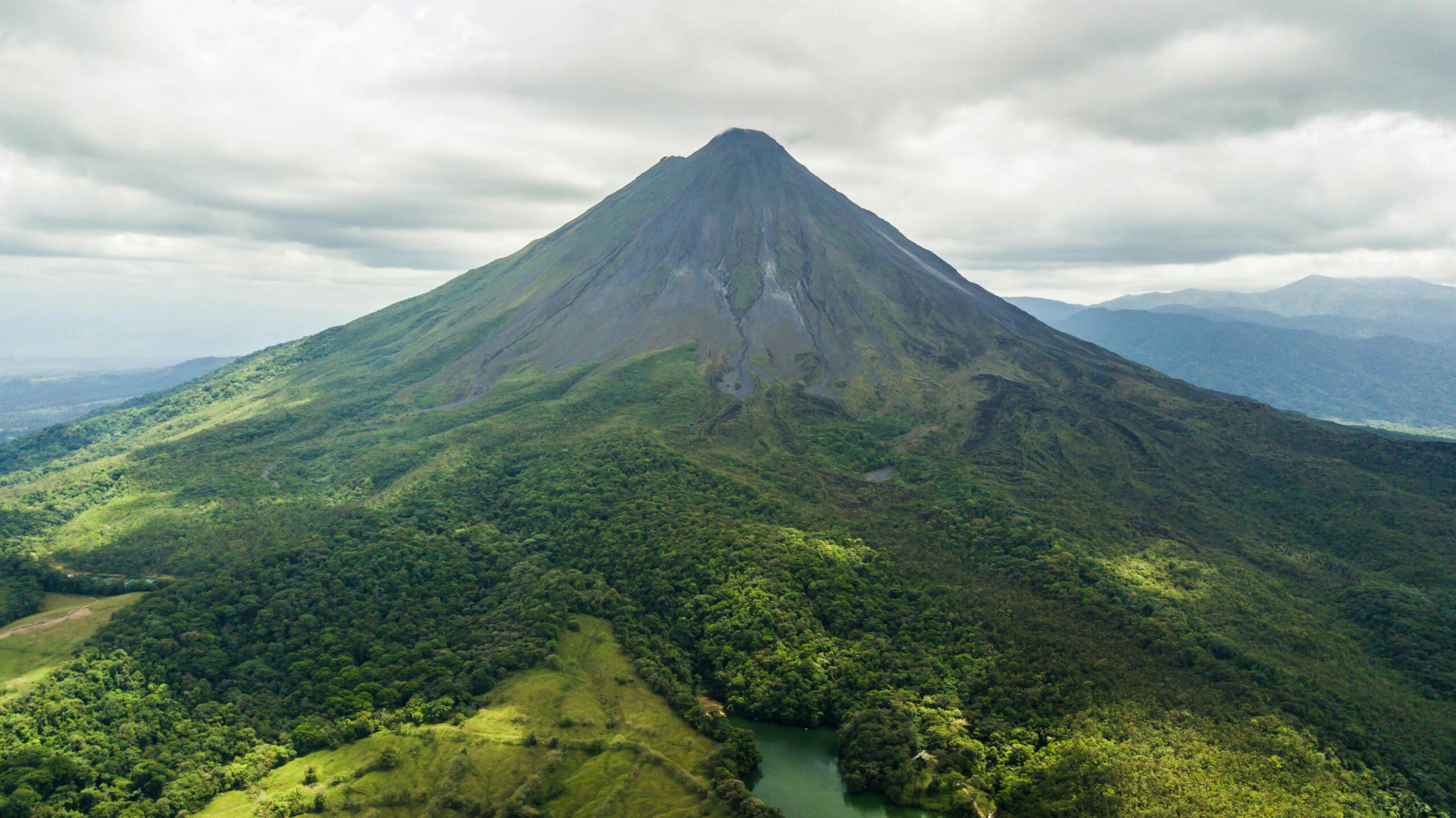
Costa Rica is already a top-tier herping destination, but its smaller offshore islands add another layer to the experience. Isla Tortuga and Isla San Lucas, for example, offer dry forest and coastal habitats that differ from the mainland. Expect anole diversity, sleeping snakes along branches at night, and amphibians that take advantage of humid coastal conditions.
These islands are especially rewarding for night searches. Warm temperatures and high humidity mean reptiles and amphibians stay active well after sunset, making field herping both productive and exciting. Plus, Costa Rica’s strong conservation ethic helps protect these fragile ecosystems.
Cozumel, Mexico
Cozumel is a small island with a big reputation, especially among herpers. Several reptile species here show distinct island traits compared to their mainland relatives. Cozumel anoles, dwarf boas, and endemic racers make this island a must-visit for anyone interested in evolution and island biogeography.
Because Cozumel is relatively flat and accessible, it’s an excellent choice for herpers who want consistent action without extreme terrain. A single night walk can turn up geckos, frogs, and snakes all within a short distance, making it one of the most efficient herping islands out there.
Utila & Roatán, Honduras
The Bay Islands of Honduras, particularly Utila and Roatán, are famous for diving, but they’re also underrated herping destinations. These islands host a mix of Central American species and island endemics, including boas, anoles, and treefrogs.
What makes these islands special is the blend of jungle, mangrove, and coastal habitats packed into small areas. You can go from beachside geckos to rainforest snakes in under an hour. Night herping after a humid day often rewards patience with eye shine along trails and vegetation.
Dominica
Dominica is often called the “Nature Island,” and for good reason. Unlike more developed Caribbean islands, Dominica remains rugged, wild, and heavily forested. It’s home to endemic anoles, frogs, and the iconic Dominican boa.
Herping here feels raw and exploratory. Steep terrain, rainforest rivers, and constant humidity create perfect conditions for reptiles and amphibians. This is an island for experienced herpers who enjoy challenging hikes and the thrill of earning every find.
Borneo’s Satellite Islands
While mainland Borneo gets most of the attention, its smaller surrounding islands deserve respect. These islands often hold unique populations of frogs, geckos, and snakes that differ subtly, or dramatically, from mainland species.
Because human impact is sometimes lower on these islands, habitats can be remarkably intact. Herping here requires preparation and local knowledge, but the payoff can be exceptional, especially for photographers and serious species chasers.
Final Thoughts
If you’ve been focusing only on big destinations, it might be time to think smaller. From Central America to the Caribbean and Southeast Asia, small islands offer intense, memorable herping experiences packed into manageable adventures. Whether you’re chasing endemics, sharpening your field skills, or just craving something different, island herping has a way of sticking with you long after the trip ends.
0 Comments