
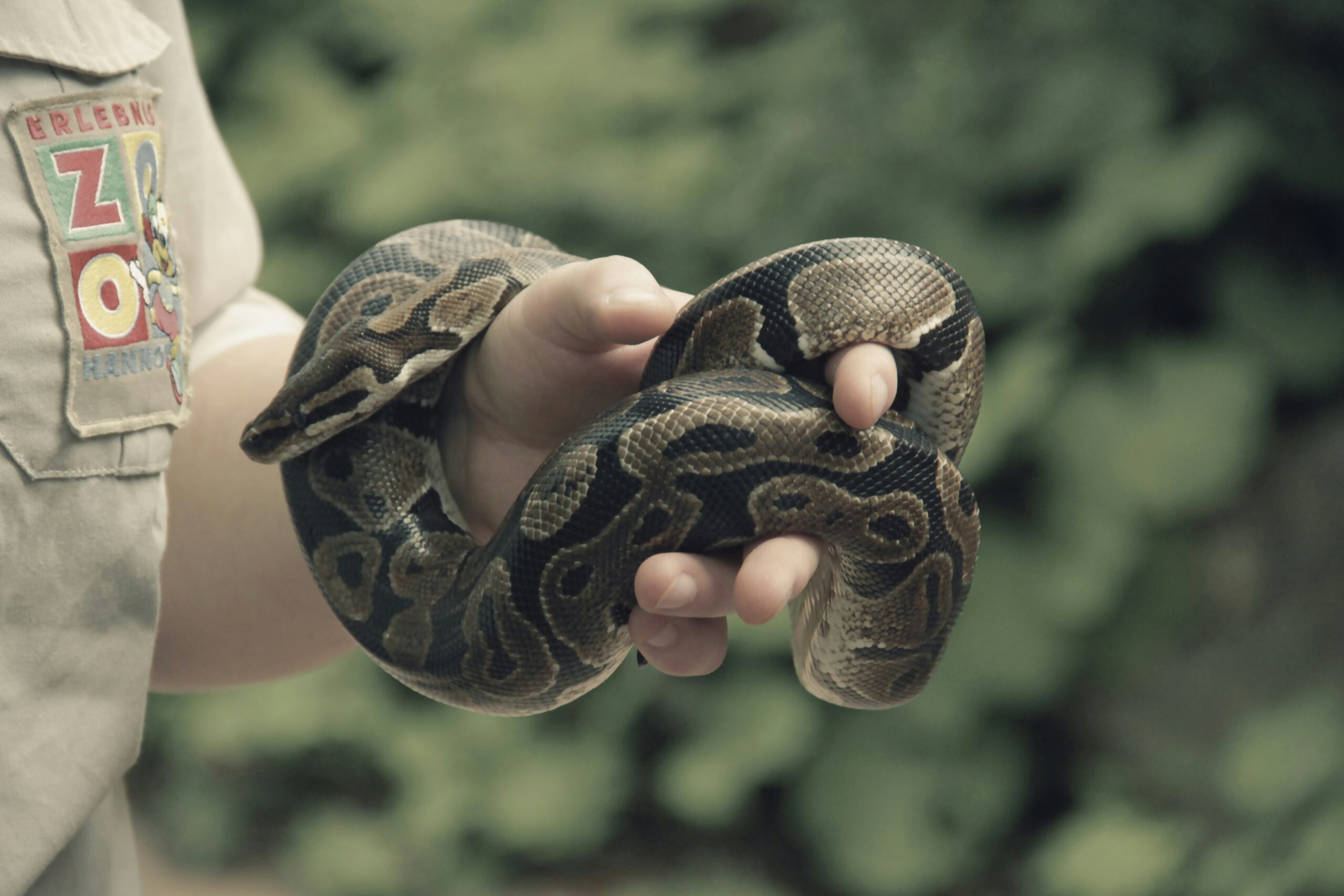
There’s something special about herping that sticks with you long after the night hike ends or the trail dust settles. For many of us, herping wasn’t just a hobby, it was a way we learned patience, curiosity, and respect for the natural world. As we get older, that urge to explore doesn’t disappear. Instead, it turns into a desire to share it. Passing the torch of herping to the next generation, whether that’s your kids, grandkids, nieces, nephews, or even neighborhood kids, is one of the most meaningful ways to keep the tradition alive.
Why Herping Is Perfect for Kids
Herping naturally slows things down. Unlike fast-paced sports or screen-heavy activities, it teaches kids to observe, wait, and notice details. A rustle in the leaves, a pattern on a snake’s scales, or the glow of eyeshine at night can spark curiosity in a way few things can. For kids, these moments feel like discoveries. For adults, they’re reminders of why we fell in love with this in the first place.
Introducing kids to herping doesn’t require expert-level knowledge or rare species. In fact, some of the best first experiences involve common frogs, lizards, or garter snakes. The goal isn’t to impress, it’s to engage. When kids feel like explorers rather than spectators, they’re far more likely to stay interested.
Keep It Simple (and Safe)
One mistake adults sometimes make is trying to do too much too fast. Long hikes, late nights, or overly technical explanations can overwhelm younger herpers. Start small. A short walk near a pond, flipping logs responsibly, or cruising roads briefly at dusk is more than enough.
Safety is part of the lesson too. Teaching kids how to observe without disturbing, why we don’t handle certain animals, and how to respect habitats builds good habits early. These conversations don’t need to be heavy, they can be simple, matter-of-fact explanations that grow as kids do.
Make It About the Experience
Kids may not remember every species name, but they’ll remember how herping made them feel. The quiet excitement of walking with a flashlight, the thrill of spotting movement, and the pride of finding something on their own all matter more than ticking species off a list.
Let them lead sometimes. If they want to stop and look at bugs, plants, or rocks instead of snakes, that’s okay. Curiosity is contagious, and herping often becomes a gateway into a broader appreciation of nature.
Teaching Conservation Without Lecturing
One of the most powerful parts of herping is the conservation lesson baked into it. By simply showing kids animals in their natural environment, you’re teaching respect. Explain why habitats matter, why trash hurts wildlife, and why we leave things better than we found them. These ideas land better through experience than lectures.
This is especially important in field herping, where kids see firsthand how fragile ecosystems can be. Those early lessons often shape how they think about wildlife for the rest of their lives.
Why It Matters More Than Ever
In a world where screens dominate attention and outdoor time keeps shrinking, herping offers something rare: real connection. Passing this passion on isn’t just about preserving a hobby, it’s about teaching kids to slow down, notice the world, and care about something bigger than themselves.
Not every kid will grow up to be a lifelong herper, and that’s okay. But even one night spent walking a trail, listening to frogs call, or spotting a snake crossing the road can leave a lasting impression. And for those of us doing the teaching, watching that spark light up again, this time in someone else, might be the best part of all.
0 Comments