
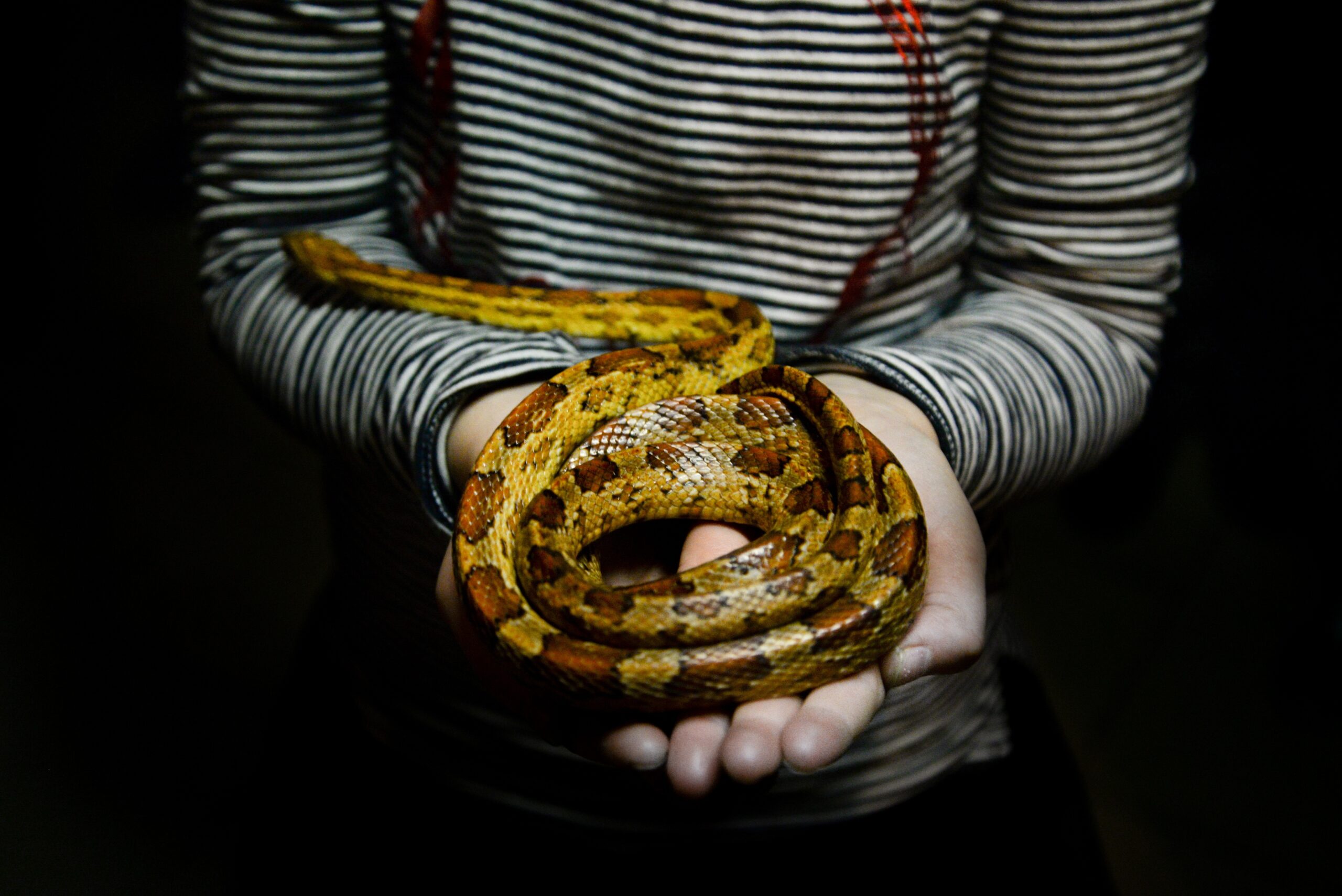
If you’ve ever spent hours flipping logs, hiking trails at night, or scrolling through reptile photos online, chances are you’ve already stepped into the world of herping without even realizing how deep the rabbit hole goes. For a lot of people, what starts as a casual fascination with snakes, frogs, turtles, and lizards eventually turns into a bigger question: Could I actually build a career around this? That’s where herpetology comes in.
The Difference Between Herping and Herpetology
Herping is typically the recreational side, going out into nature to find and observe reptiles and amphibians. It’s community-driven, experience-heavy, and often fueled by adventure. Field herping especially teaches people observation skills, habitat understanding, patience, and species identification.
Herpetology is the scientific study behind those animals.
The truth is, many professional herpetologists started as hobbyist herpers. Spending time outdoors learning animal behavior and habitats often builds the exact foundation needed for future careers.
What Careers Exist in Herpetology?
When people search “herpetology jobs,” they’re usually imagining one specific role. In reality, there are several career paths connected to reptiles and amphibians.
Some common herpetology careers include:
- Wildlife biologist
- Conservation scientist
- Zoo keeper or reptile curator
- Environmental consultant
- Ecologist
- Wildlife educator
- Museum researcher
- University professor
- Veterinary specialist for exotic animals
- Field technician
- Wildlife photographer or videographer
- Science communicator or content creator
Some people also combine careers. For example, someone may work in environmental consulting while also running educational reptile programs or producing online wildlife content.
Do You Need a Herpetology Degree?
Technically, there usually is not a standalone “herpetology degree” at most universities.
Instead, most professional herpetologists study:
- Biology
- Zoology
- Wildlife biology
- Ecology
- Environmental science
From there, they specialize in reptiles and amphibians through research projects, internships, graduate programs, or field experience.
That surprises a lot of people searching for “herpetology schools” because universities rarely label programs directly as herpetology degrees. Instead, you want to look for schools with professors actively researching reptiles or amphibians.
A few universities are especially known for strong reptile and amphibian research programs, including:
- University of Florida
- Cornell University
- Texas A&M University
- University of California, Davis
- Oregon State University
What Is the Average Herpetology Salary?
This is the part many people avoid talking about honestly. A herpetology salary can vary a lot depending on your path.
Approximate ranges:
- Entry-level wildlife technician: $30,000–$45,000
- Zoo or education roles: $35,000–$60,000
- Environmental consulting: $50,000–$90,000+
- University research positions: varies heavily based on grants and tenure
- Specialized exotic veterinarians: significantly higher
Pure passion alone usually is not enough. The people who succeed long-term often combine scientific knowledge with practical skills like communication, photography, education, GIS mapping, conservation policy, or media production. That combination makes you more employable and gives you more options.
How to Start a Career in Herpetology
A lot of aspiring herpetologists overcomplicate the beginning stages. The best way to start is usually much simpler than people expect.
- Learn Species Identification
Start learning local reptiles and amphibians in your area. Understand habitats, behavior, and ethical observation practices.
- Spend Time Outdoors
Field experience matters. The people who truly understand reptiles usually spend real time around them.
- Volunteer Anywhere You Can
Zoos, wildlife rescues, museums, reptile expos, conservation groups, and university labs can all open doors.
- Build Connections
The reptile world is surprisingly small. Networking matters more than many people realize.
- Document Your Work
Photography, writing, data collection, or even educational social media can help build credibility over time.
Why Herpetology Matters More Than Ever
Reptiles and amphibians are some of the most misunderstood animals on the planet, but they’re also incredibly important for ecosystems. Amphibians especially are considered environmental indicators because their populations react quickly to pollution and habitat destruction.
Many species are declining due to:
- Habitat loss
- Climate change
- Pollution
- Disease
- Illegal wildlife trade
That means educated conservationists, researchers, and ethical wildlife advocates are becoming increasingly important. And honestly, that’s part of what makes herpetology so meaningful. It’s not just about liking snakes or frogs. It’s about understanding and protecting animals that most people overlook.
0 Comments