
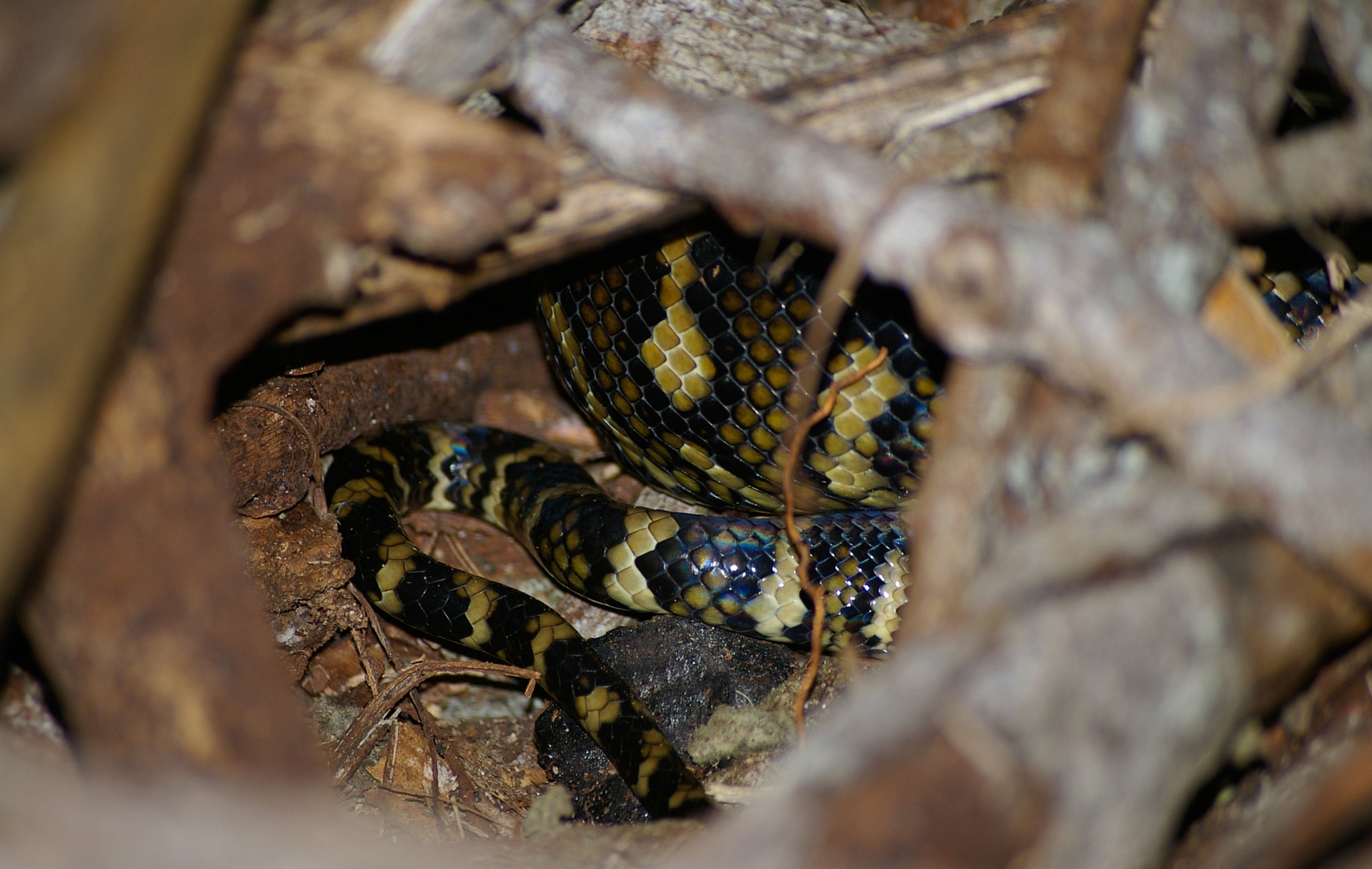
If you have spent any time herping in temperate climates, you have experienced the frustration of autumn. That sun-baked rock pile that held three garter snakes all summer is suddenly empty. The basking log crawling with lizards in July is dead quiet by October. The reptiles have not moved on. They have gone underground, and what they are doing down there is one of the most fascinating survival strategies in the animal kingdom.
Brumation is the reptilian equivalent of hibernation, but it is not the same thing. Understanding the difference, and knowing how brumation works, will make you a better herper, a better keeper, and a more informed advocate for the cold-blooded animals you love.
What Is Brumation?
Brumation is a period of dormancy in reptiles triggered by dropping temperatures and shorter daylight hours. Unlike mammals, reptiles are ectothermic, meaning they cannot generate their own body heat. When the environment cools below the threshold at which they can effectively digest food, hunt, or move, they retreat into sheltered locations and enter a low-energy state that allows them to survive until conditions improve.
During brumation, a reptile’s heart rate drops significantly, breathing slows, metabolic rate plummets, and hormone levels shift. But unlike mammalian hibernation, brumation is not a deep, continuous sleep. Reptiles may periodically wake to drink water, shift positions, or even bask briefly on unusually warm days before returning to dormancy.
A 2022 study published in Oecologia provided a quantitative synthesis of winter warming effects on reptiles and found that brumation is far more physiologically complex than previously understood. The research showed that brain activity does not completely cease during dormancy, with certain neural regions remaining minimally active to monitor environmental conditions. Specialized “clock genes” appear to regulate brumation timing, helping reptiles sense when conditions are right to emerge.
Brumation vs. Hibernation: What Is the Difference?
The terms are often used interchangeably, but they describe fundamentally different biological processes. Mammalian hibernation involves a dramatic drop in core body temperature, heart rate, and respiration to a state of deep torpor. A hibernating ground squirrel, for example, may reduce its heart rate from 200 beats per minute to as few as 5.
Brumation, by contrast, is driven entirely by external temperature. A brumating reptile’s body temperature simply matches its surroundings. It does not actively lower its metabolism the way a mammal does. Instead, the cold environment forces metabolic processes to slow naturally. This is why brumating reptiles can wake up and move on warm days, something a truly hibernating mammal cannot easily do.
For a deeper comparison, see our article on seasonal brumation vs. hibernation.
Which Reptiles Brumate?
Brumation occurs in most temperate-zone reptiles, including snakes, lizards, turtles, and tortoises. The specifics vary enormously by species and geography.
Snakes are among the most dramatic brumators. Species like the Timber Rattlesnake, Eastern Copperhead, and various garter snakes will retreat into underground dens called hibernacula, sometimes by the hundreds or even thousands. The famous Red-sided Garter Snake dens in Manitoba, Canada, hold tens of thousands of snakes in a single underground chamber, and their spring emergence is one of the most spectacular wildlife events on the continent.
Lizards brumate as well, though they tend to be more solitary. Western Fence Lizards in southern California may brumate for only 6 to 8 weeks, while the same species in Oregon might remain dormant for 4 to 5 months. Box turtles dig shallow burrows in leaf litter, while aquatic turtles may brumate at the bottom of ponds, absorbing oxygen through their skin.
Climate Change and the Future of Brumation
One of the most pressing concerns in modern herpetology is how climate change is disrupting brumation patterns. As winters become shorter and warmer, reptiles in some populations are experiencing up to 30 percent shorter dormancy periods compared to historical records.
This may sound beneficial at first, but shorter brumation periods can have serious consequences. Reptiles that emerge too early may find insufficient prey, face late-season cold snaps, or miss critical breeding cues that depend on a full cooling cycle. A 2025 study published in Science of the Total Environment found that warming temperatures combined with environmental toxins dramatically increased mortality in hibernating lizards, compromising both individual survival and population sustainability.
Global models predict that warming could eliminate suitable brumation habitat for one-fifth of the world’s lizard species by 2080. For herpers who track seasonal activity patterns, the message is clear: the rhythms we have relied on for decades are shifting, and paying attention to these changes is more important than ever.
Brumation and Reproduction
Brumation plays a critical role in the reproductive biology of many reptile species. The cooling period triggers hormonal changes that prepare both males and females for breeding in the spring. Many snake species, including kingsnakes, rat snakes, and kingsnakes, will not reproduce reliably without experiencing a proper brumation period.
In captive breeding programs, controlled brumation is standard practice. Keepers gradually lower temperatures over several weeks to simulate the onset of winter, maintain cool conditions for 8 to 12 weeks, and then slowly warm the animals back up. This cooling cycle is essential for stimulating sperm production in males and ovulation in females.
How to Find Brumation Sites in the Field
For field herpers, understanding brumation is the key to finding reptiles during the shoulder seasons. In early autumn, watching for snakes moving toward rocky outcrops, south-facing hillsides, and underground crevices can reveal the locations of hibernacula. These same sites become hotspots in spring when reptiles begin to emerge.
The best herping during brumation season happens on the edges. Unusually warm days in late October or early March will often bring brumating snakes to the surface to bask briefly before retreating. These fleeting windows can produce some of the most productive herping of the entire year if you know where to look.
Brumation in Captive Reptiles
If you keep reptiles, understanding brumation is essential. Some species, particularly those from temperate climates, may show reduced appetite and activity in autumn even when kept at consistent temperatures. This is a natural hormonal response to changing daylight hours, and fighting it by increasing heat or force-feeding can cause stress and health problems.
For species that benefit from brumation, a gradual cooling protocol supervised by a veterinarian experienced with reptiles is the safest approach. Never brumate a reptile that is underweight, dehydrated, or carrying parasites, as the reduced immune function during dormancy can turn minor health issues into life-threatening ones.
Respecting the Rhythm
Brumation is a reminder that reptiles operate on a fundamentally different biological clock than we do. They do not fight the seasons. They adapt to them with a precision honed over hundreds of millions of years of evolution. Whether you are tracking snakes to their dens in autumn, waiting for the first spring emergence, or managing a cooling cycle for a captive breeding pair, understanding brumation connects you more deeply to the biology of the animals you care about.
The next time the herping suddenly goes quiet in October, do not despair. The reptiles are still there, tucked into crevices and burrows, waiting for the warmth to return. And when it does, they will be back, and so will you.
0 Comments