
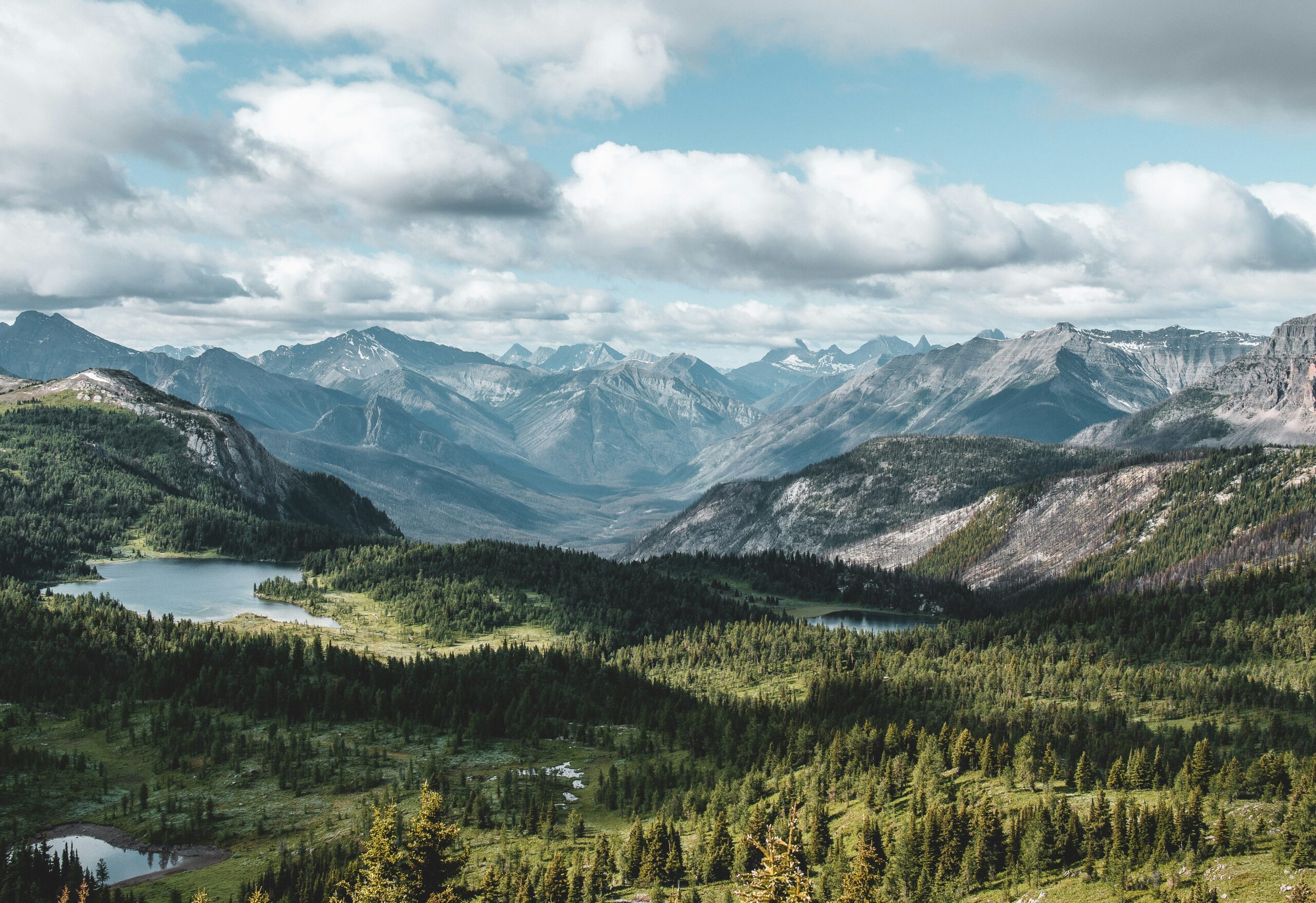
When many people think of herping, they imagine flipping logs in a forest or searching wetlands for frogs and salamanders. While those habitats certainly offer incredible opportunities, some of the most rewarding reptile and amphibian encounters happen in less-discussed environments. From windswept coastlines to sprawling prairies and rugged mountain canyons, every habitat presents its own unique challenges and rewards.
One of the reasons herping remains such an exciting hobby is that no two locations feel the same. The terrain, climate, vegetation, and wildlife all influence what species you’ll encounter and how you’ll find them. Understanding these differences can help you become a more successful herper while deepening your appreciation for the ecosystems that reptiles and amphibians call home.
Coastal Habitats
Coastal habitats are some of the most dynamic ecosystems in the world. These areas include salt marshes, dunes, mangrove forests, estuaries, and coastal woodlands, all of which create unique environments for reptiles and amphibians.
Unlike inland habitats, coastal ecosystems are constantly shaped by tides, storms, and shifting water levels. This creates a mosaic of microhabitats that many species rely on for shelter, hunting, and breeding.
Depending on your location, a day of coastal herping might reveal diamondback terrapins, water snakes, treefrogs, skinks, anoles, or even sea turtles during nesting season. Coastal marshes are especially productive because they provide abundant food sources and cover.
One of the most exciting aspects of coastal herping is unpredictability. Conditions can change dramatically throughout the day as tides rise and fall, often influencing wildlife activity. A mudflat that appears empty in the morning may become active with reptiles by the afternoon.
Grasslands and Prairies
At first glance, grasslands and prairies may seem less exciting than dense forests or wetlands. The lack of obvious cover can make these habitats appear empty, but experienced herpers know that prairies often support remarkable reptile diversity.
These open landscapes are dominated by grasses, wildflowers, and scattered shrubs. While there may be fewer trees and logs to search beneath, grasslands provide excellent habitat for many snakes, lizards, and turtles.
Rodent burrows are one of the keys to understanding prairie ecosystems. Many reptiles utilize abandoned burrows as shelter from predators, temperature extremes, and harsh weather. Areas with healthy rodent populations often support thriving reptile communities.
Prairies are also ideal habitats for species that rely heavily on basking. The abundance of sunlight allows reptiles to regulate their body temperature efficiently, making these habitats particularly productive during the spring and fall.
Field herping in grasslands often involves covering larger distances than in forested environments. Spotting wildlife requires patience and attention to subtle movements within the vegetation. The reward is often an unobstructed view of animals behaving naturally in their environment.
Rocky Mountains and Canyons
Few habitats offer the sense of exploration found in mountain ranges and canyon systems. These rugged landscapes create an incredible variety of microhabitats that support reptiles and amphibians adapted to challenging conditions.
Rock formations are the defining feature of these ecosystems. Cracks, ledges, talus slopes, and boulder fields provide shelter from predators and temperature extremes while offering ideal basking locations.
Elevation changes also create diverse environmental conditions within relatively short distances. A canyon floor may be warm and dry while higher elevations remain cool and moist. This variety allows multiple species with different habitat preferences to coexist in the same general area.
Many reptiles found in mountainous environments have evolved specialized adaptations for navigating rocky terrain. Lizards may dart between boulders with incredible speed, while snakes often utilize crevices that are nearly impossible for predators to access.
For herpers, mountain habitats require more physical effort than many other environments. Steep trails, uneven terrain, and long hikes are often part of the experience. However, the combination of breathtaking scenery and unique wildlife makes the effort worthwhile.
How Habitat Shapes the Herping Experience
Each habitat offers a completely different style of herping. Coastal environments reward timing and adaptability as tides influence animal activity. Grasslands challenge herpers to develop strong observation skills and cover large areas efficiently. Mountain canyons test endurance while offering access to specialized species and stunning scenery.
The most experienced herpers learn to adjust their search techniques based on the environment. Success isn’t simply about finding animals, it’s about understanding how those animals interact with their habitat.
A snake basking near a prairie burrow, a frog calling from a coastal marsh, or a lizard perched on a canyon wall all tell a story about the ecosystem they inhabit. The more time you spend exploring different habitats, the more you’ll recognize these patterns and improve your ability to locate wildlife.
Every Habitat Has Something to Offer
One of the greatest joys of herping is discovering how different landscapes create entirely different experiences. Coastal habitats offer a blend of land and water ecosystems. Grasslands provide surprising reptile diversity hidden among seemingly endless fields. Rocky mountains and canyons combine adventure, scenery, and specialized wildlife into a truly unforgettable experience.
Whether you’re searching a windswept shoreline, walking through a sea of prairie grass, or climbing through rugged canyon country, every habitat offers opportunities for discovery. The next time you’re planning a herping trip, consider stepping outside your usual environment. You may find that your favorite habitat is one you’ve never explored before.
0 Comments