
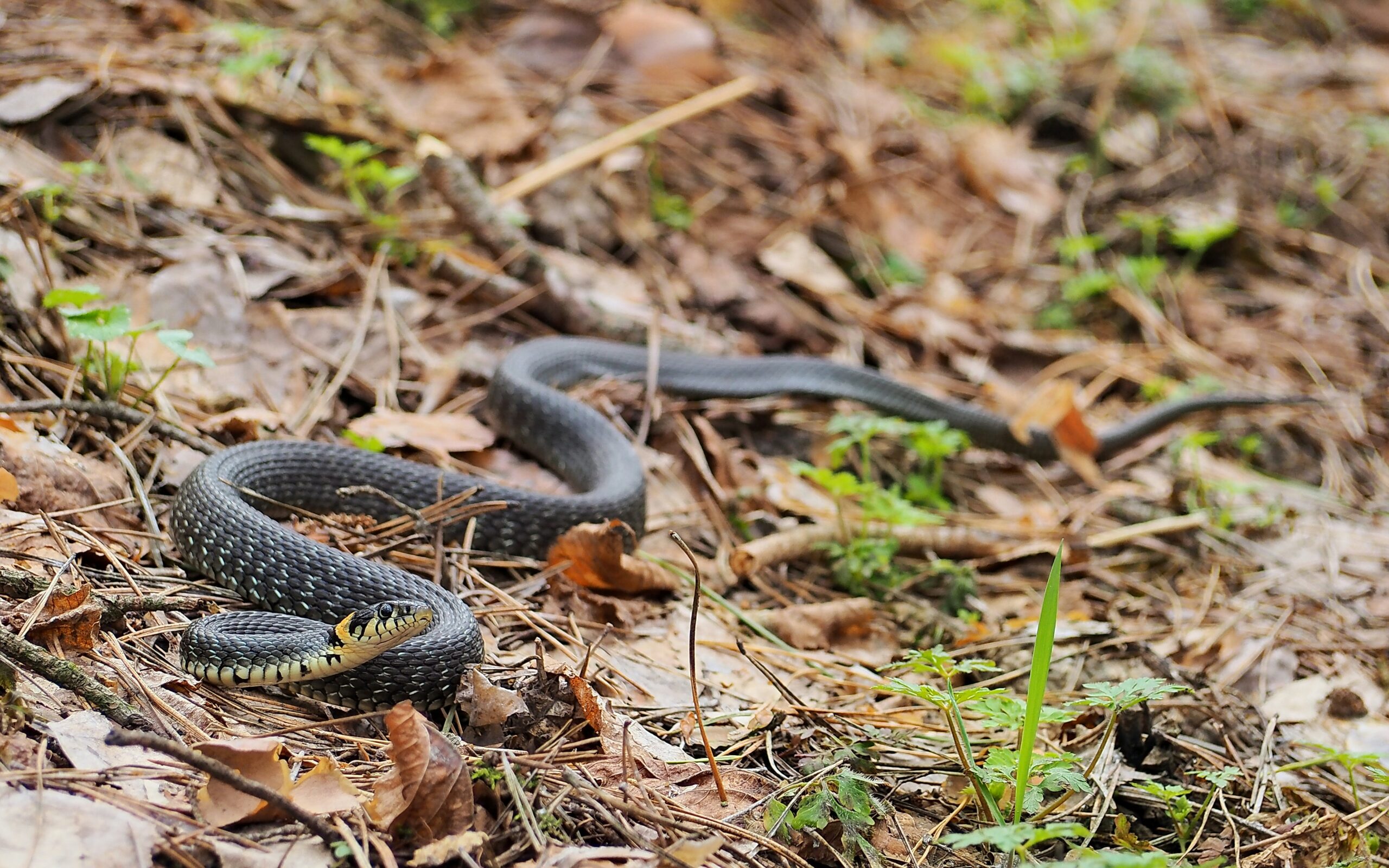
For many outdoor enthusiasts, herping is more than just a hobby, it’s a passion for discovering reptiles and amphibians in their natural habitats while learning about the incredible diversity of wildlife around us. Whether you’re searching for colorful tree frogs after a summer rain or carefully flipping rocks in hopes of spotting a secretive snake, every encounter comes with a responsibility. Practicing ethical herping ensures that future generations can enjoy these same experiences while protecting the animals and ecosystems that make them possible.
The “Leave No Trace” philosophy has long been associated with hiking and camping, but it’s equally important for anyone who spends time looking for reptiles and amphibians. By following a few simple guidelines, herpers can minimize their impact on wildlife and contribute to conservation instead of unintentionally causing harm.
Why Ethical Herping Matters
Reptiles and amphibians often live in fragile environments that can be easily disturbed. Many species rely on specific microhabitats, such as logs, rocks, leaf litter, wetlands, or desert burrows, for shelter, breeding, and protection from predators.
Repeated disturbance, habitat destruction, or improper handling can increase stress, expose animals to predators, interfere with breeding, or even contribute to population declines. Ethical herping helps preserve these habitats while promoting a positive image of the herping community.
Stay on Established Trails When Possible
While some off-trail exploration may be necessary during field herping, sticking to existing trails whenever possible reduces damage to vegetation and sensitive habitats.
Constant foot traffic through fragile ecosystems can:
- Crush native plants
- Damage amphibian breeding sites
- Cause soil erosion
- Destroy hiding places used by reptiles
Replace Every Rock and Log Exactly as You Found It
One of the most important rules in ethical herping is returning cover objects to their original position.
Many reptiles and amphibians depend on rocks, logs, bark, and debris for:
- Temperature regulation
- Moisture retention
- Predator protection
- Nesting sites
When flipping natural cover:
- Lift carefully rather than dragging.
- Look underneath without disturbing the soil.
- Return the object gently.
- Place it exactly as it was.
Handle Animals Only When Necessary
Many reptiles and amphibians experience stress when handled. Oils, sunscreen, insect repellent, and contaminants on human skin can also affect sensitive species, particularly amphibians.
Whenever possible:
- Observe before touching.
- Take photographs without handling.
- Limit handling time if necessary.
- Never restrain an animal longer than needed.
Some species are protected by law, while others may become defensive when stressed. Admiring wildlife from a respectful distance is often the safest approach for both the animal and the observer.
Never Collect Wild Animals Without Proper Permits
Removing animals from the wild can negatively affect local populations, especially species with low reproductive rates or isolated habitats.
Even common-looking reptiles may play important ecological roles.
Instead of collecting:
- Photograph your finds.
- Record observations.
- Contribute sightings to citizen science platforms.
- Leave the animal where it belongs.
Responsible observation helps preserve healthy populations for everyone.
Avoid Disturbing Breeding Areas
Spring and early summer are critical times for many amphibians and reptiles.
Breeding ponds, nesting beaches, turtle nesting sites, and communal snake dens deserve extra caution.
Avoid:
- Blocking migration routes
- Handling breeding adults
- Disturbing egg masses
- Remaining in breeding areas longer than necessary
Clean Your Gear Between Locations
Disease transmission has become a major concern for amphibian conservation.
Pathogens like chytrid fungus and ranavirus can spread through:
- Boots
- Waders
- Nets
- Buckets
- Cameras
- Hands
Cleaning equipment between different wetlands or habitats greatly reduces the risk of transporting harmful organisms.
Simple disinfecting solutions and drying equipment thoroughly can make a significant difference.
Be Careful When Sharing Locations
Social media has made it easier than ever to showcase amazing wildlife encounters.
Unfortunately, exact GPS coordinates can unintentionally expose sensitive populations to disturbance or illegal collection.
Instead of posting precise locations:
- Share only general regions.
- Delay posting if necessary.
- Avoid revealing nesting sites or dens.
- Protect rare and endangered species.
Sometimes the best conservation decision is keeping a location private.
Follow Local Wildlife Laws
Wildlife regulations exist to protect vulnerable species and habitats.
Before heading out, familiarize yourself with local rules regarding:
- Protected species
- Seasonal closures
- Collecting permits
- State parks
- Wildlife management areas
Responsible herpers stay informed and respect regulations wherever they explore.
Leave the Habitat Better Than You Found It
One of the easiest ways to make a positive impact is to improve the places you visit.
Consider:
- Packing out litter.
- Removing fishing line or other hazards.
- Reporting illegal dumping.
- Participating in habitat restoration projects.
- Supporting local conservation organizations.
Small actions performed consistently by many herpers can have lasting benefits for wildlife.
Help Educate New Herpers
Experienced herpers play an important role in shaping the future of the hobby.
If you’re introducing someone to herping:
- Demonstrate proper handling techniques.
- Explain why cover objects must be replaced.
- Teach respect for wildlife.
- Emphasize observation over collection.
- Model responsible photography practices.
Passing along good habits helps create a stronger conservation-minded community.
Ethical Herping Creates Better Experiences
Some people assume ethical practices limit the excitement of finding reptiles and amphibians, but the opposite is often true. Knowing that your observations caused little to no impact makes every encounter more meaningful. The goal of field herping isn’t simply to check species off a list, it’s to appreciate wildlife in a way that allows those animals to continue thriving in their natural homes.
Every flipped rock, every photograph, and every decision made in the field contributes to the future of the hobby. By embracing Leave No Trace principles, respecting wildlife, and protecting sensitive habitats, herpers become ambassadors for conservation. The best herping adventures aren’t measured only by the number of species found, but by the knowledge that those same habitats will remain healthy for the next person, and the next generation of reptiles and amphibians, to enjoy.
0 Comments