
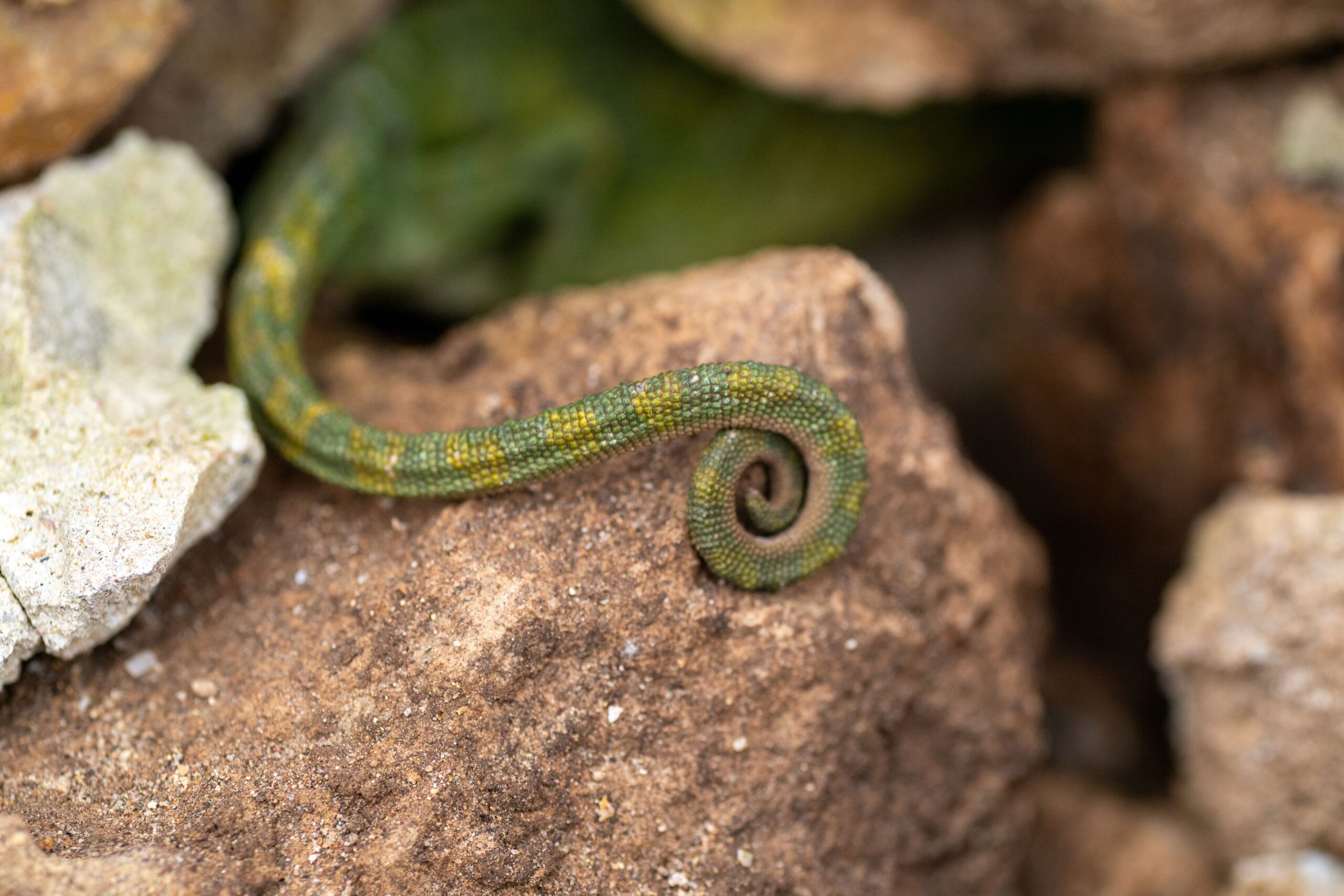
One of the most fascinating things people discover while herping is the incredible ability some reptiles have to recover from injuries. From lizards regrowing lost tails to snakes replacing damaged scales, reptiles possess remarkable regenerative abilities that help them survive in the wild. While they may not regenerate entire limbs like some amphibians, many reptile species have evolved impressive ways to repair and replace damaged tissues.
Understanding how reptiles regenerate not only provides insight into their survival strategies but also offers scientists valuable clues about healing and tissue regeneration that could one day benefit human medicine.
Why Reptile Regeneration Matters
Life in the wild can be dangerous. Predators, territorial disputes, environmental hazards, and even accidents can leave reptiles injured. The ability to regenerate damaged body parts increases their chances of survival and allows them to continue feeding, reproducing, and avoiding predators.
Regeneration differs from simple wound healing. Instead of merely closing an injury, regeneration involves replacing lost tissue with new functional tissue that closely resembles the original structure.
While regeneration varies greatly between species, reptiles are among the most capable vertebrates when it comes to replacing certain body parts.
Tail Regeneration: Nature’s Escape Plan
Perhaps the most famous example of reptile regeneration is tail regrowth in lizards.
Many species, including geckos, skinks, and anoles, can intentionally detach their tails through a process called autotomy. When threatened by a predator, the tail breaks off at predetermined fracture points. The detached tail often continues to wiggle, distracting the predator while the lizard escapes.
After losing its tail, the lizard begins the regeneration process almost immediately.
How Tail Regeneration Works
Following tail loss:
- The wound quickly seals to prevent infection.
- Specialized cells gather at the injury site.
- A structure called a blastema forms, containing cells that can develop into various tissue types.
- New cartilage, muscles, nerves, blood vessels, and skin gradually develop.
Over time, a new tail emerges.
However, the regenerated tail is usually not identical to the original. Instead of bone, many regenerated tails contain a cartilage rod. Color patterns and scale arrangements may also differ from the original tail.
Regrowing Scales and Skin
Reptiles rely on their scales for protection, moisture retention, and camouflage. Damage to scales can leave animals vulnerable to infection and environmental stress.
Fortunately, reptiles continuously replace their outer skin through shedding, also known as ecdysis. During this process, damaged scales are often replaced with healthy new ones.
In many cases, minor injuries to scales heal completely after one or several shedding cycles. The new scales may appear slightly different in texture or coloration, but they often restore much of the original protection.
Snakes frequently recover from scrapes, cuts, and abrasions thanks to this natural replacement process. Proper environmental conditions and nutrition play a major role in successful healing.
Can Reptiles Regrow Limbs?
Unlike some salamanders, reptiles generally cannot regenerate entire limbs.
If a lizard loses a foot or leg, it will typically heal the wound but will not regrow the missing limb. Scientists believe this limitation is linked to differences in the genetic pathways that control regeneration.
Despite this limitation, researchers continue studying reptiles because they possess some regenerative abilities that mammals lack. Understanding these biological mechanisms could help unlock future advances in regenerative medicine.
Beyond Tails: Internal Healing Abilities
Some reptiles demonstrate surprisingly effective internal healing as well.
Research has shown that certain reptiles can recover from significant tissue damage, including injuries to muscles, skin, and even portions of internal organs. While this isn’t full regeneration, their healing processes are often more efficient than those observed in many mammals.
Reptiles also exhibit strong resistance to infection during healing. Their immune systems and unique biological adaptations help protect wounds while new tissue develops.
What Herpers Can Learn From Regeneration
For those who enjoy field herping, signs of regeneration can tell an interesting story about an animal’s past.
A lizard with a shortened or differently colored tail likely survived a predator encounter. Snakes with scarred scales may have recovered from injuries caused by rough terrain or attempted predation. Observing these features provides a glimpse into the challenges reptiles face every day in the wild.
These scars and regenerated body parts serve as reminders of just how resilient reptiles can be.
The Future of Regeneration Research
Scientists around the world continue studying reptile regeneration in hopes of understanding how tissues regrow and repair themselves. By examining the cellular and genetic processes behind tail regeneration, researchers hope to develop new approaches for treating injuries and diseases in humans.
While we are still far from regrowing human limbs, reptiles offer valuable clues about what may one day be possible.
Final Thoughts
Reptiles have evolved some truly remarkable survival tools, and regeneration ranks among the most impressive. Whether it’s a gecko replacing a lost tail or a snake repairing damaged scales through shedding, these adaptations help reptiles thrive in challenging environments.
The next time you’re herping and encounter a lizard with a regenerated tail or a snake bearing old scars, take a closer look. Those marks are evidence of an incredible biological process that continues to fascinate both herpers and scientists alike.
0 Comments