
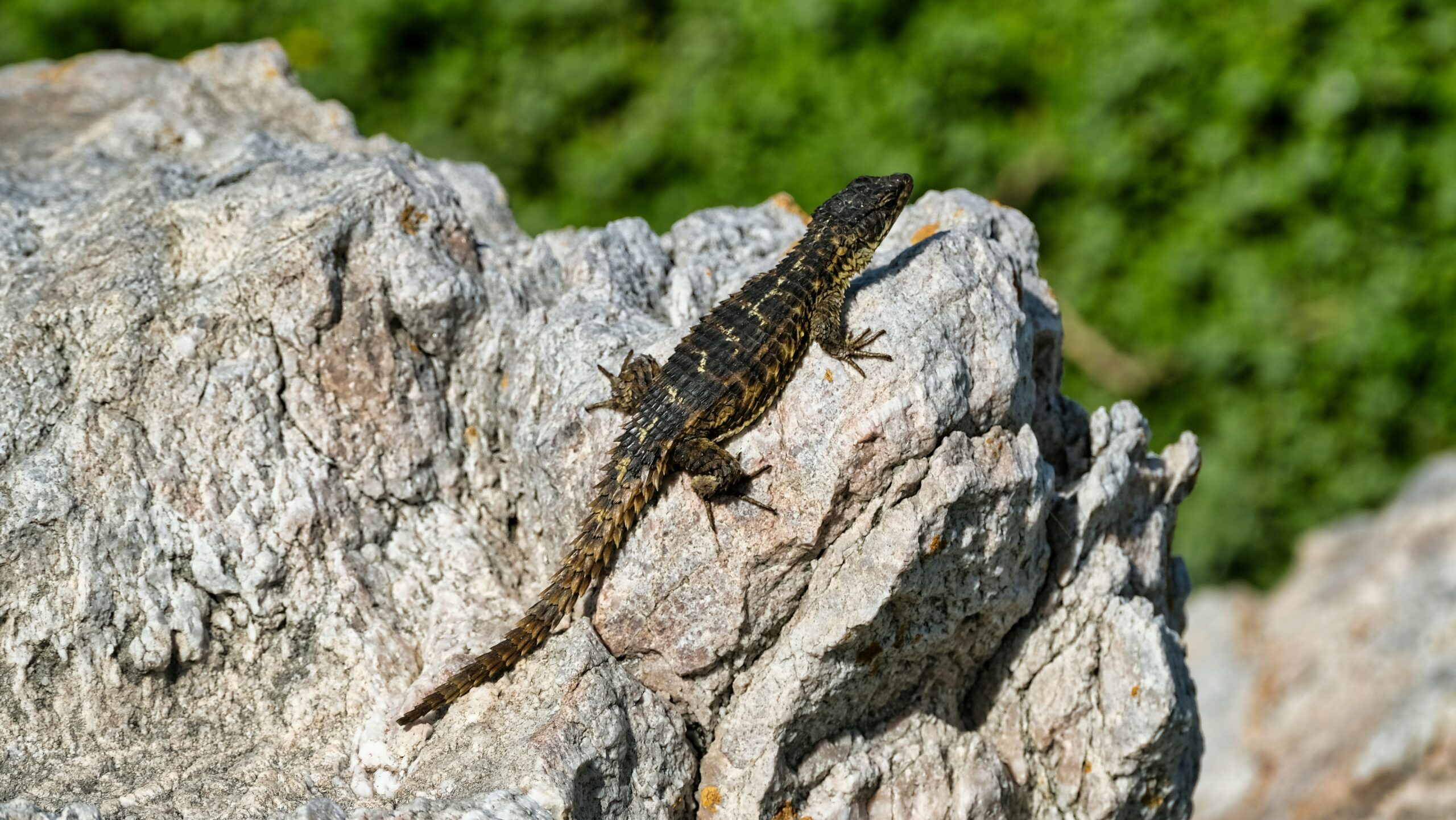
If you’ve ever gone herping, you’ve probably noticed reptiles appear at specific times of day. That’s because they’re constantly regulating their body temperature through a process called thermoregulation. Unlike mammals, reptiles are ectothermic, meaning they rely on external heat sources rather than producing enough internal heat to stay warm.
What Does “Cold-Blooded” Mean?
Being cold-blooded doesn’t mean reptiles are always cold. Instead, their body temperature changes with their environment. By moving between sunny and shaded areas, reptiles can maintain the ideal temperature for hunting, digesting food, and avoiding predators.
One major advantage of being ectothermic is energy efficiency. Since reptiles don’t have to burn calories to stay warm, they can survive much longer between meals than mammals.
How Reptiles Warm Up
Many reptiles start their day by basking in the sun.
They commonly warm themselves on:
- Rocks
- Fallen logs
- Roads
- Tree branches
By absorbing sunlight, they raise their body temperature enough to become active. Many species flatten their bodies while basking to absorb heat more efficiently.
Avoiding Overheating
Thermoregulation isn’t just about warming up, it’s also about staying cool.
When temperatures become too high, reptiles may:
- Move into shade
- Hide in burrows or rock crevices
- Become active during dawn or dusk
- Cool off in water
These simple behaviors help them avoid overheating during hot summer days.
How Weather Influences Herping Success
One reason experienced field herping enthusiasts pay close attention to weather forecasts is because reptile activity depends heavily on temperature.
Ideal conditions often include:
- Sunny mornings after cool nights
- Warm temperatures without extreme heat
- Mild evenings during summer
- Warm days following rain
- Stable weather patterns
Conversely, reptiles may remain hidden during prolonged cold spells, heavy rain, or dangerously hot afternoons.
Learning how local species respond to changing temperatures can dramatically increase your chances of observing them in their natural habitats.
Different Species, Different Strategies
Different reptiles have evolved unique ways to regulate their temperature.
- Snakes often bask on rocks or warm roads before hunting.
- Lizards quickly warm up after sunrise but may retreat underground during the hottest part of the day.
- Turtles regularly bask on logs to warm up and help keep their shells healthy.
- Crocodilians alternate between basking and cooling in the water, sometimes holding their mouths open to release excess heat.
Why Thermoregulation Matters for Herpers
Because reptiles depend so heavily on environmental temperatures, they are especially vulnerable to habitat loss and climate change.
Removing basking rocks, cutting down shaded vegetation, or paving natural habitats can eliminate the thermal diversity reptiles need to survive.
Conservation efforts increasingly focus on protecting a variety of microhabitats, including sunny clearings, shaded forests, rock piles, wetlands, and burrows, so reptiles always have options for regulating their body temperature.
Even small habitat features can make the difference between a suitable home and one that’s uninhabitable.
Final Thoughts
Thermoregulation is one of the keys to reptile survival. Every basking snake, sunning turtle, or rock-dwelling lizard is carefully balancing heat, energy, and safety. The next time you’re out herping, pay attention to how reptiles use sunlight, shade, and shelter, you’ll gain a greater appreciation for the remarkable ways these animals have adapted to their environments.
0 Comments