
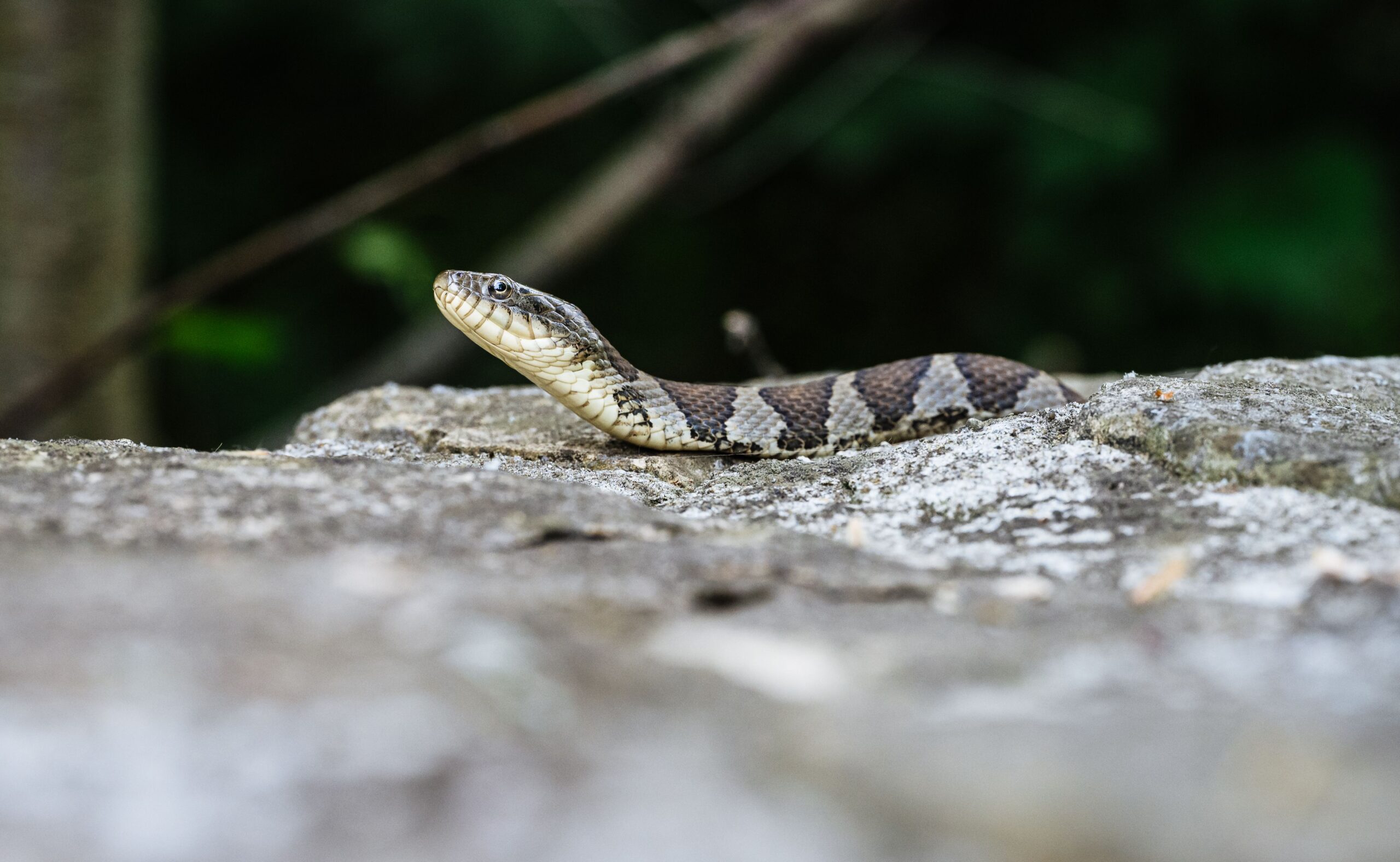
Every time you head out herping in search of snakes, lizards, turtles, frogs, or salamanders, you’re participating in a tradition that stretches back centuries. Long before smartphones, GPS apps, and online species databases, passionate naturalists explored forests, deserts, wetlands, and mountains with little more than notebooks, simple collecting tools, and endless curiosity. Their observations laid the groundwork for modern herpetology and inspired the community of reptile and amphibian enthusiasts we know today.
While today’s herpers benefit from field guides, conservation organizations, and social media communities, many of these resources exist because of the dedication of a handful of pioneering individuals. Here are some of the legendary figures whose work continues to influence the modern herping world.
John Edwards Holbrook: The Father of American Herpetology
Few names carry as much weight in North American herpetology as John Edwards Holbrook. Born in 1794, Holbrook devoted years to documenting reptiles and amphibians across the United States.
His landmark publication, North American Herpetology, featured remarkably detailed illustrations and species descriptions that were groundbreaking for the time. At a period when many reptiles were poorly understood or feared, Holbrook helped establish scientific standards for identifying and classifying them.
Many of the species descriptions and distribution records he published still serve as important historical references today.
Edward Drinker Cope: A Relentless Species Discoverer
Edward Drinker Cope was one of the most prolific naturalists in American history. During the late 1800s, he described hundreds of reptile and amphibian species while contributing extensively to zoology and paleontology.
Although Cope is often remembered for the famous “Bone Wars” involving dinosaur fossils, his impact on herpetology was equally significant. His work expanded scientific understanding of reptile diversity throughout North America and beyond.
Many scientific names used today still honor Cope’s contributions, demonstrating the lasting influence of his research.
Raymond Ditmars: Bringing Reptiles to the Public
At the beginning of the 20th century, reptiles were widely misunderstood and often viewed solely as dangerous animals. Raymond Ditmars helped change that perception.
As curator of reptiles at the Bronx Zoo, Ditmars became one of the world’s first popular wildlife educators. Through books, lectures, and early wildlife films, he introduced millions of people to reptiles and amphibians in an engaging, educational way.
His ability to combine scientific knowledge with storytelling inspired countless future herpers and herpetologists.
Karl P. Schmidt: Advancing Scientific Knowledge
Karl Patterson Schmidt was another influential figure whose work shaped modern reptile research. As curator at Chicago’s Field Museum, he studied reptiles from around the globe and authored numerous scientific papers.
Schmidt helped improve taxonomy, the science of classifying species, which remains a cornerstone of herpetology today.
Although his career ended tragically after a venomous snake bite, his scientific contributions continue to influence researchers and conservationists around the world.
Roger Conant: The Field Guide Pioneer
Many experienced herpers consider Roger Conant one of the most influential educators in North American reptile history.
His classic A Field Guide to Reptiles and Amphibians of Eastern and Central North America became an essential resource for generations of enthusiasts. Before digital identification apps existed, countless beginners relied on Conant’s illustrations, identification keys, and range maps while exploring local habitats.
Even today, updated versions of his guide remain highly respected.
Modern Voices Inspiring Today’s Community
Today’s field herping community continues to build on the work of these pioneers. Scientists, photographers, educators, and conservation organizations now share discoveries instantly through online databases, educational videos, podcasts, and social media.
Researchers continue describing new species every year while conservationists work to protect fragile habitats from development, pollution, invasive species, and climate change.
Professional herpetologists often collaborate with citizen scientists, proving that careful observations made by everyday herpers can contribute valuable information to scientific research.
Carrying the Legacy Forward
Every outing into the field connects today’s herpers with centuries of exploration and discovery. Whether you’re searching for your first garter snake, photographing a colorful salamander, or documenting a rare rattlesnake, you’re continuing a tradition built by passionate individuals who dedicated their lives to understanding reptiles and amphibians.
The pioneers of herpetology transformed fear into fascination through science, education, and exploration. Their legacy reminds us that every observation matters and that curiosity, patience, and respect for nature remain the most valuable tools any herper can carry.
As the herping community continues to grow, these legendary naturalists serve as a reminder that the next important discovery could come from anyone willing to step outside, explore responsibly, and appreciate the remarkable diversity of reptiles and amphibians that share our world.
0 Comments